The Columbia Estuary Ecosystem Restoration Program (CEERP) aims to implement an ecosystem-based approach to understand, conserve, and restore the Columbia River Estuary, using science-based strategies and adaptive management to improve habitat for juvenile salmon.


Columbia Estuary Ecosystem Restoration Program
Understand, conserve, and restore ecosystems in the Columbia River Estuary
Emerging Science
The program’s Expert Regional Technical Group (ERTG), a group of independent, interdisciplinary scientists tasked with evaluating proposed restoration projects, released new guidance on incorporating climate resilience into CEERP.
-
Future Stressors: consideration of long-term environmental trends and projections specific to the Columbia River Estuary region.
Resilience: strategies to enhance ecosystem resilience in the face of projected stressors.
CEERP Integration: incorporation of technical guidance into CEERP’s restoration planning and implementation processes.
Ecosystem Restoration
Restoring estuary habitat can be complex. CEERP’s restoration partners are well-versed in designing and implementing projects that benefit the estuary and broader ecosystem.
-
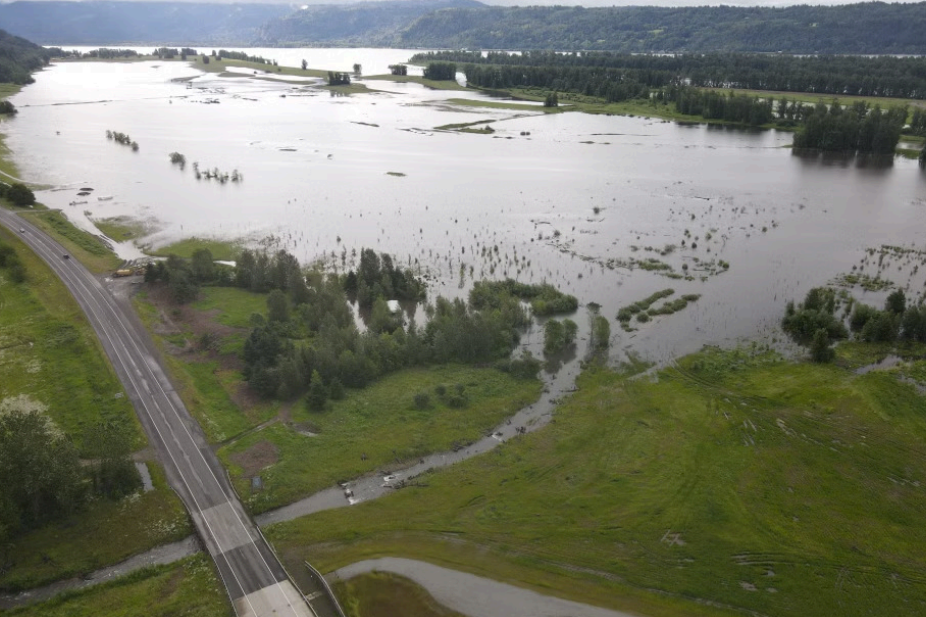
Wetland Restoration
Reconnecting floodplains and restoring native plant communities to improve habitat quality and food web enrichment.

Fish Passage Improvement
Enhancing connectivity among streams, floodplains, and tidal marshes for fish and other aquatic species throughout the estuary.
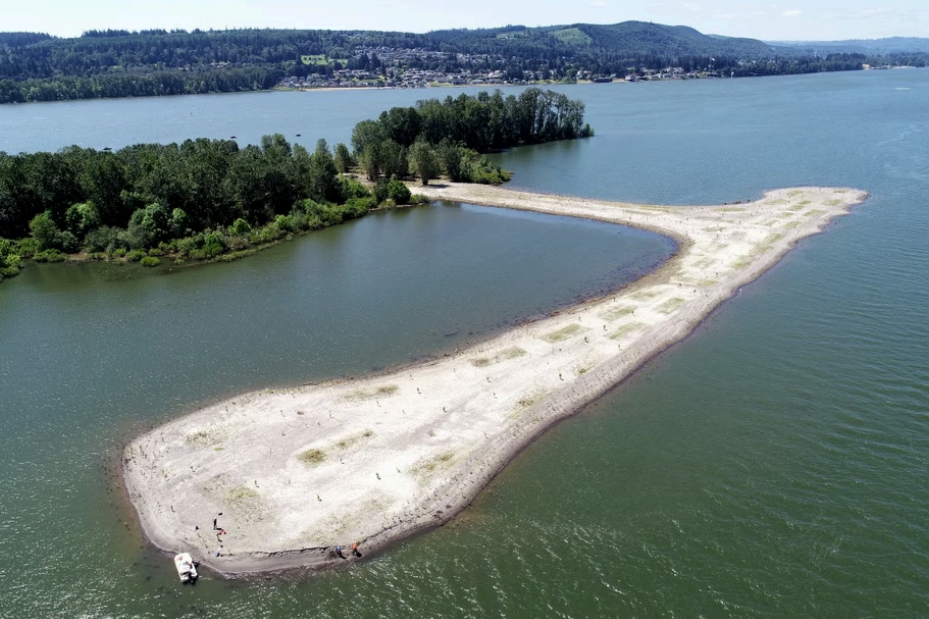
Beneficial Use of Dredged Material
Optimizing sediment retention and distribution to initiate and support natural ecosystem processes.
Monitoring
As part of CEERP’s adaptive management structure, we monitor restoration sites to understand how they support salmon and contribute to the larger ecosystem. Over the past 20 years, we have paired Action Effectiveness Monitoring and Research (AEMR) of restored sites with long-term status and trends data from Ecosystem Monitoring Program (EMP)—tracking conditions at reference sites to better understand physical, biological, and chemical processes in the estuary and river up to Bonneville Dam, and the extent to which CEERP actions improve fish habitat conditions.
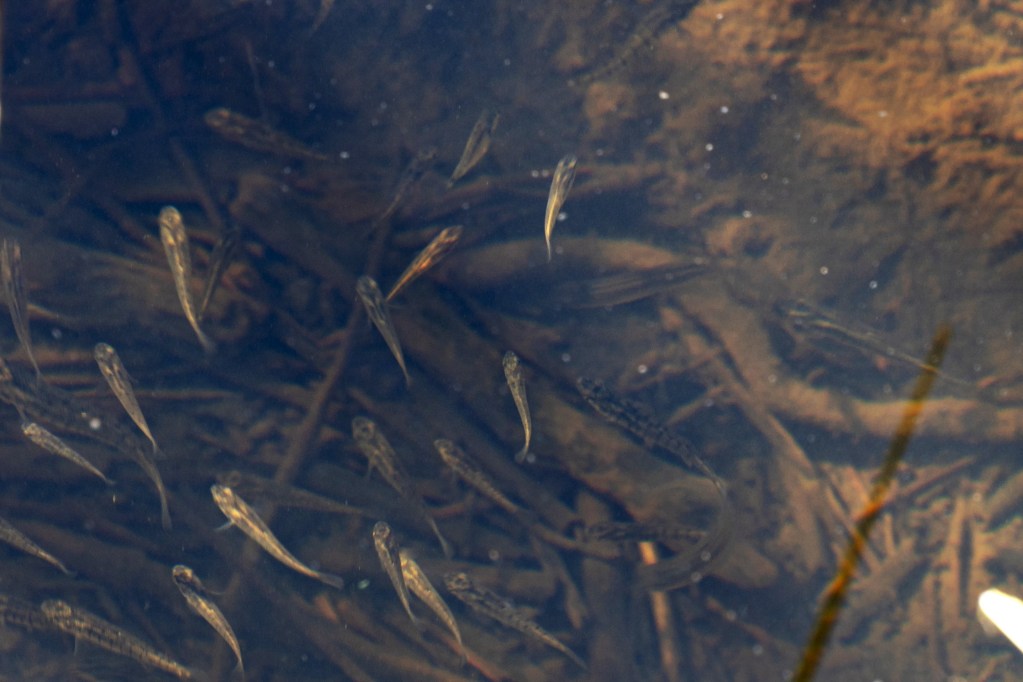
Action Effectiveness Monitoring & Research
(AEMR)
Evaluating the impact of restoration actions on ecosystem health.
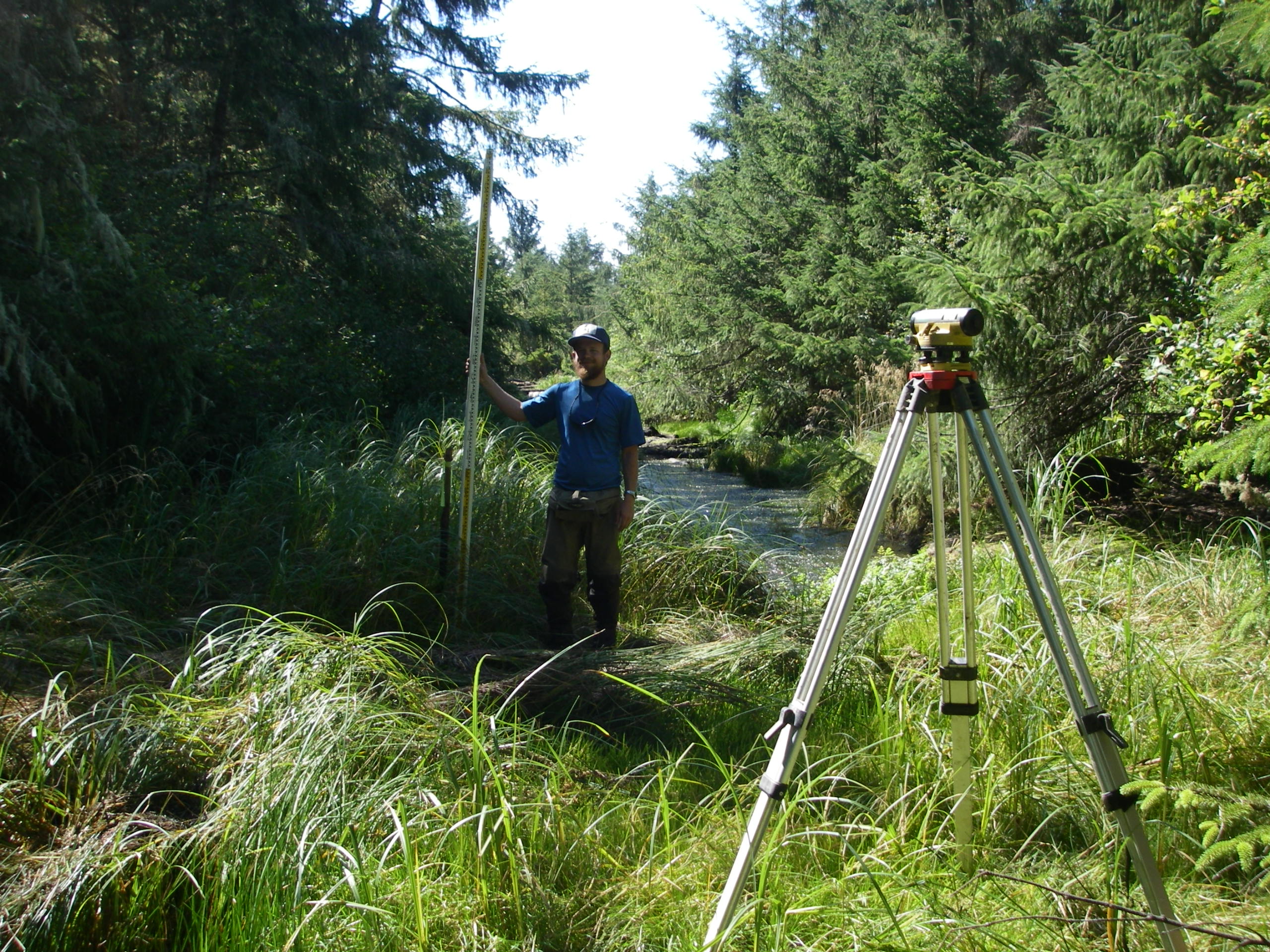
Ecosystem Monitoring Program
(EMP)
Tracking long-term trends in wetland ecosystem health and function.
Progress in Understanding the Estuary
In order to capture advancements in the estuary knowledge base, CEERP is developing Synthesis Memo 3 as part of its ongoing adaptive management process. Distilling the advancement of knowledge since the estuary was first included in hydropower mitigation plans in 2000, and identifying remaining gaps that need to be studied, this document will help guide the program into the future. Learn about how the monitoring and research community came together to share their thoughts on the future of science in the estuary.
Read the Synthesis Memos
- Synthesis Memo 1 (2012)
- Synthesis Memo 2 (2018)
- Synthesis Memo 3 (in progress)
Stay tuned—Synthesis Memo 3 is scheduled to be published in 2026.
1
Engage the community
Gather input from diverse stakeholders and researchers.
2
Analyze data
Synthesize 25 years of published research.
3
Plan for the future
Develop recommendations for future estuary science and management.
4
Publish memos
Release the comprehensive Synthesis Memo 3 to guide CEERP’s future efforts.

Research
Many estuarine researchers have chosen the Columbia River Estuary as their focus—for good reason! The Columbia River Estuary is a complex landscape with interconnected, intricate environmental systems that supports wide ranging services like fisheries, recreation, navigation, flood management, and commerce. Several research institutions are hard at work uncovering how the estuary functions from many perspectives—sediment, hydrology, fish ecology, vegetation, and more. Our multidisciplinary research community is investigating many angles to better understand this complex system and inform program management and restoration approaches to optimize restoration effectiveness.
Sediment
Transport, deposition, storage, and change over time.
Hydrology
Seasonal, interannual, and decadal flow patterns and habitat-specific flow dynamics.
Fish
Fish movement, food webs, and habitat use to support health and survival.
Vegetation
Wetland plant community structure and change over time.
Community and Resources
We are a community dedicated to sharing program resources and information. We aim to be transparent about our work because feedback makes us better. Learn more about who we are and what we’ve learned.

mplementation (Photo by Mark Bierman | US Army Corps of Engineers)
To stay updated on ceerp.org content, join our e-mail list!


To get in touch with the CEERP website team to provide feedback or ask questions, contact us here.
UNDERSTAND | CONSERVE | RESTORE